1st August marks one of the most ancient celebrations in human history. Lughnasadh (pronounced LOO-nə-sə), otherwise known as Lammas, has been celebrated since Neolithic times, marking the beginning of the harvest season. This profound festival connects us to thousands of years of agricultural tradition and spiritual wisdom.
The Festival of Many Names
Lughnasadh wears several names, each revealing different aspects of its rich heritage:
Lughnasadh itself comes from the Irish, meaning “Lugh’s assembly” – a gathering festival to honour the Celtic god Lugh.
Lammas derives from the Anglo-Saxon hlāfmæsse, meaning “loaf mass”, when the first loaves of bread made from new grain were blessed in church.
Both names point to the same profound truth: this is when the first fruits of summer’s labour finally reach our tables.
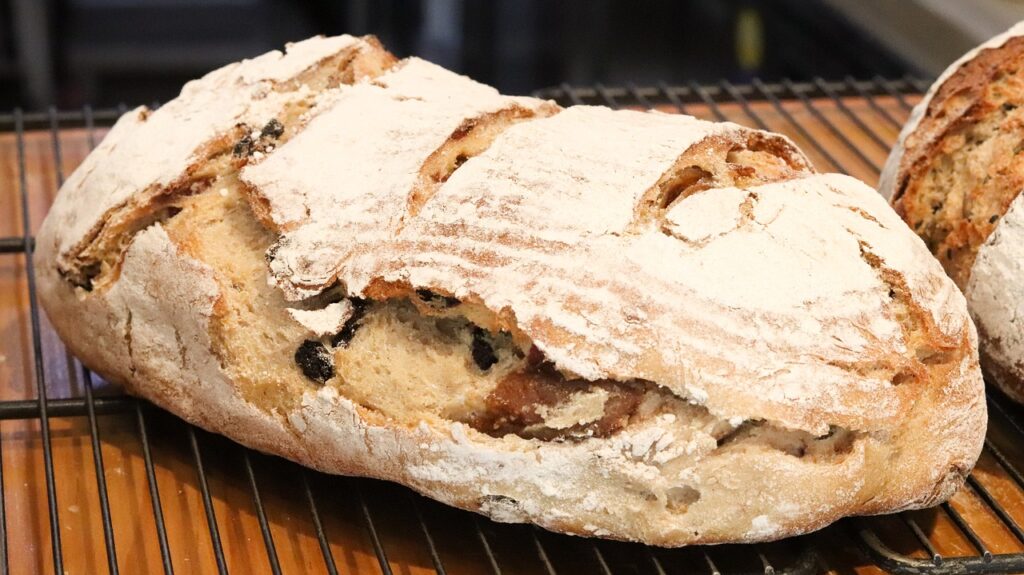
Image by Ally Bally – Pixabay
The Sacred Behind the Festival and its Ancient Harvest Rituals
Lugh, the Celtic sun god of craftsmanship, skill, and justice, gives his name to this celebration.
According to Celtic mythology, Lugh established this festival to honour his foster mother Tailtiu, who died of exhaustion preparing the land for farming. In creating Lughnasadh, Lugh ensured that her sacrifice, and the sacrifice of the grain itself, would be remembered and honoured.
Our ancestors understood that harvest was sacred theatre. The first cut wheat sheaf would be made into bread, while the last would become a corn dolly decorated with ribbons, paraded through villages, and kept as a protective talisman for the following year’s harvest.
These weren’t mere customs but profound spiritual acts recognising the cycle of sacrifice and renewal that sustains all life.
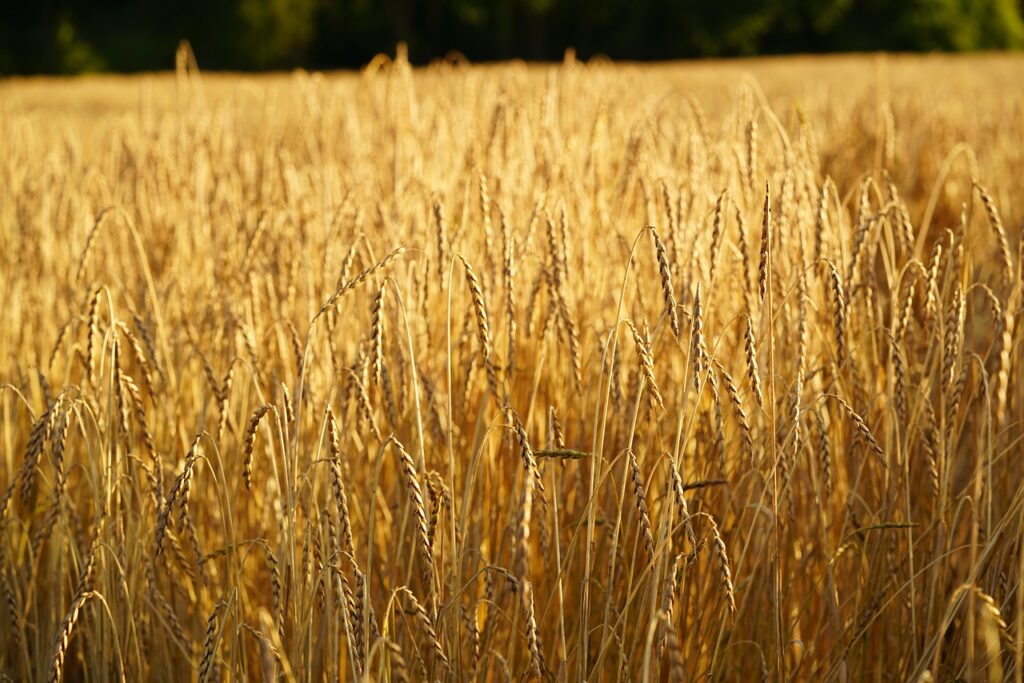
Image by Hans – Pixabay
The Ballad of John Barleycorn
The harvest’s deepest meaning lives on in the haunting folk song of John Barleycorn. This English and Scottish ballad, dating back to at least the Elizabethan era, tells of John Barleycorn’s suffering and death, which corresponds to the stages of barley cultivation: planting, growing, harvesting, and brewing.
“There were three kings into the east, three kings both great and high
and they have sworn a solemn oath John Barleycorn should die
They took a plough and ploughed him down, put clods upon his head
And they have sworn a solemn oath: John Barleycorn was dead
But the cheerful Spring came kindly on and showers began to fall
John Barleycorn got up again and sore surprised them all!”
Like Lugh, John Barleycorn tells us that true power often requires willing sacrifice and that some dreams must “die” temporarily so that others may flourish.
Sacred Questions for August
So, as we enter this season of gathering, we can ask ourselves some important questions:
- What are we most grateful for in our lives right now?
- Which areas feel most abundant: home, friendships, family, work, adventures?
- Is hard work beginning to pay off so we can reap rewards?
- What achievements deserve celebration right now?
- What might we need to let go of, trusting it may rise again in due season?
Image by Aszac – Pixabay
Embracing August’s Energy
This month invites us to stand in our power while honouring what has made this power possible. We can keep our faces turned to the sun while also beginning the long journey back into our inner power. Celebrate what you’ve accomplished, honour any lessons learned, and prepare for the deeper work that autumn will bring.
Wherever you are in the world, my friends, may your August be filled with the joy of harvest, the satisfaction of skills well-used, and the wisdom to know when to hold on and when to let go.
Image by Trilemedia – Pixabay
Love Laurelle
