Emotions can be tricky experiences. We can swing between being too full-on to being switched off. We can feel we’re barely skimming the surface of a situation or that we’re being dragged under and drowning. We can feel ecstatically happy one day and utterly hopeless the next.
Not all of us experience these extremes, but we do all feel varying levels of emotions and the way they change.
Elementally, emotions are expressed as water, and like water they have many different states. Water exists in ice, a liquid and gas while emotions can be frozen, flowing or steaming. Both water and emotion can flow or become blocked. They can both be superficial as a puddle or deep as a lake in a ravine. They can crash as wildly as a tsunami or be as calm as a sheltered pond.
Learning how to navigate our emotions is part of being human, and learning about water and its influences can help us to predict and run with what we are feeling at any given time. To understand water, we need to look at the gravitational pull of the Moon upon the Earth.
A Celestial Dance as Old as Time
The Earth and Moon have been waltzing together for approximately 4.5 billion years in an elegant cosmic choreography with Earth orbiting the Sun whilst the Moon circles Earth. Our Moon is Earth’s only natural satellite, a constant companion through the ages.
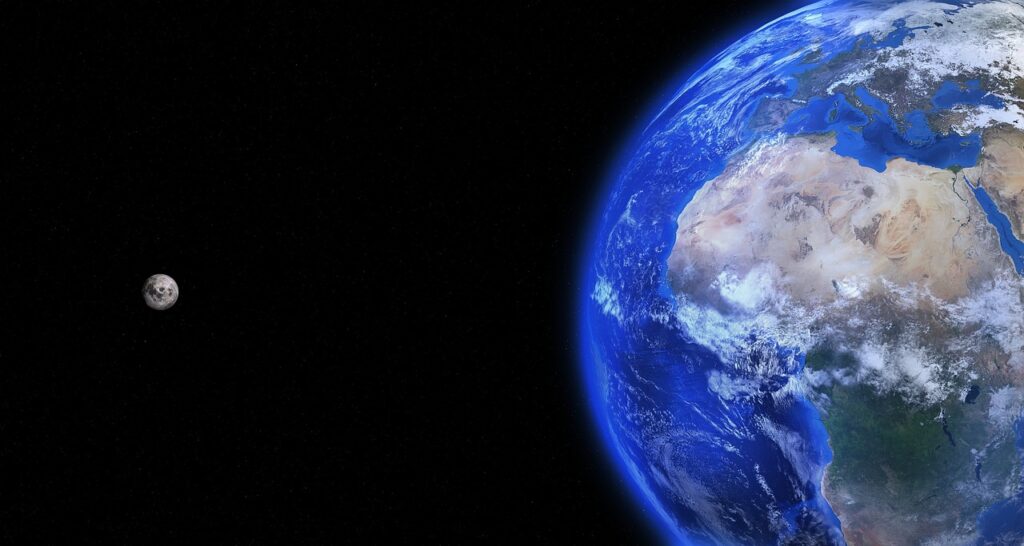
Image by Qimono – Pixabay
The Story of How We Became Two
Around 4.4 to 4.5 billion years ago, a Mars-sized protoplanet called Theia, named after the Greek Titan who gave birth to Selene, goddess of the Moon, collided with the young Earth at tremendous speed. The impact flung molten rock and debris into space, which eventually coalesced to form our Moon.
This violent collision and subsequent merging speaks to the transformative power of impact in our own lives. Like Theia and Earth becoming inseparable, our most profound emotional experiences often arise from collisions with life’s unexpected events. What seems catastrophic can forge something entirely new within us, though we may not recognise the beauty of what’s being created until much later.
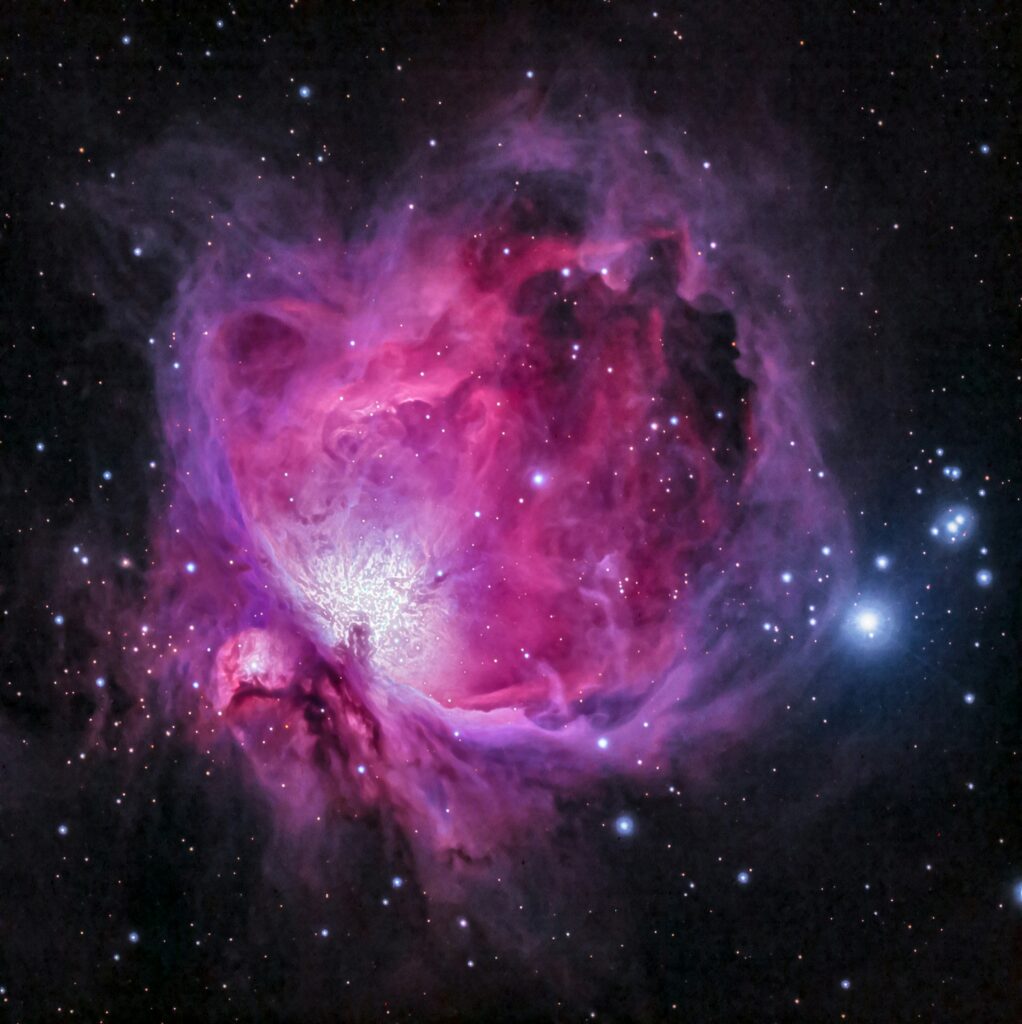
Image by Aldebaran S – Unsplash
The Moon as Mirror and Timekeeper
The Moon produces no light of its own but reflects the Sun’s brilliance back to us, much as we might reflect upon our own nature when we gaze at her silvery face.
For ancient societies, the Moon was the original timekeeper. The word ‘month’ derives from ‘moon’, and civilisations across the world have organised their calendars around her predictable cycles. In literature and spiritual traditions, the Moon has long been referred to as ‘she’ and seen as a representative of the Divine Feminine, helping to determine women’s monthly cycles.
The lunar cycle of approximately 29.5 days mirrors the rhythm of the feminine cycle, suggesting a deep connection between celestial movements and our inner tides. Just as the Moon moves through phases of darkness and light, so too do our emotional landscapes shift and transform.
The Pull We Cannot Escape
The Moon’s gravitational pull affects all life on Earth, most visibly in the ocean’s tides. Massive bodies of water respond to this celestial tug, creating the rhythmic rise and fall we see along every coastline.
Since humans are approximately 60 to 70% water, it makes sense to look at the way the Moon affects water to understand how she might affect us. Whilst the Moon’s gravitational pull on our individual bodies is immeasurably small, her influence on our emotional and dream states has been observed across cultures for millennia. Like the ocean responding to lunar rhythms, the inner waters of our emotions, intuitions and subconscious depths seem to rise and fall with her phases.
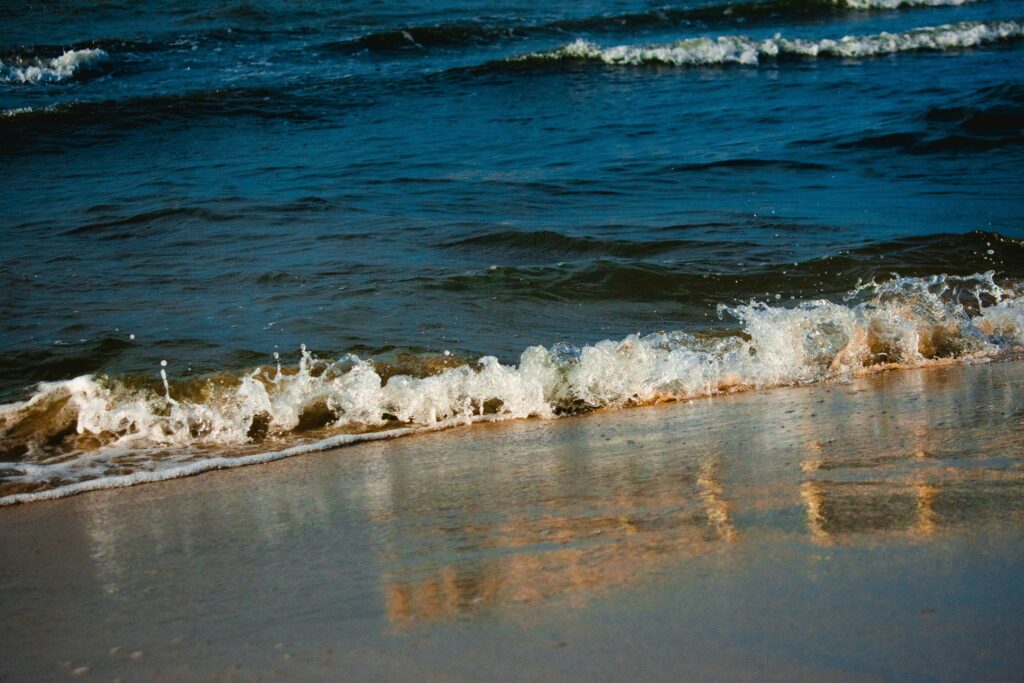
Image by Mary Ray – Unsplash
Following the Moon’s Wisdom
The Moon ebbs and flows. She waxes and wanes. She is sometimes radiant, sometimes hidden, just like us. Water on Earth doesn’t resist the Moon’s pull; it flows with it or becomes stagnant. Like water, we can be shallow or deep. We can float or sink. Perhaps there’s wisdom in learning from water’s willingness to move with natural forces rather than against them.
For thousands of years, humans have noticed correlations between the Moon’s phases and their inner states. The full Moon brings heightened emotions and vivid dreams. The new Moon invites introspection and new beginnings. The waxing Moon brings growth, whilst the waning Moon calls for release.
She offers us a map for navigating our emotional waters. By paying attention to lunar cycles, we can begin to anticipate our own inner tides, understanding when we might feel more vulnerable, when we might have greater energy for new projects, and when we need to withdraw and rest.
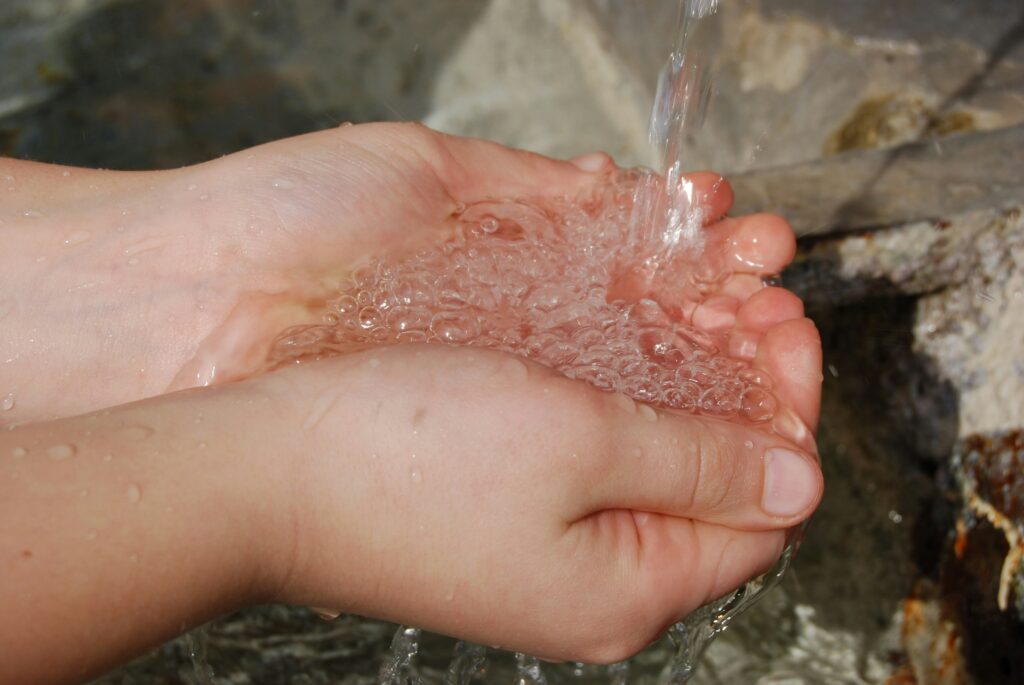
Image by Adam Dobkowski – Unsplash
A Journey Ahead
Over the coming months, we’ll explore the Moon in greater detail, investigating her eight phases and the meaning of thirteen lunar months in a year.
By re-establishing curiosity about the Moon and her cycles, we can gain greater understanding of our emotional nature and chart a map to help navigate our lives with more grace and self-compassion. When we feel overwhelmed, we can remember: this too shall pass, just as the Moon moves through her phases. When we feel empty, we can trust that fullness will return, as reliably as the Moon waxes back to brightness.
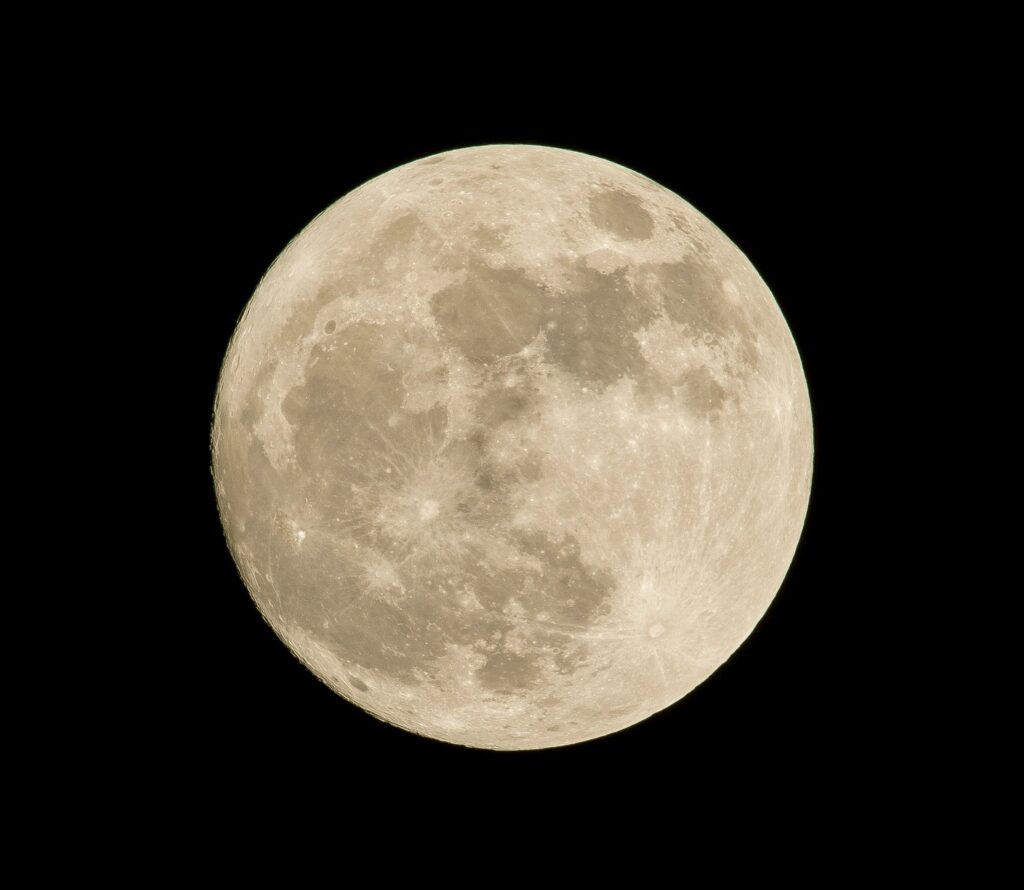
Image by Pedro Lastra – Unsplash
Enjoy February, the month of love, and wishing you ease as you flow with the water of life.
February Focus: The Voice as Emotional Water
This month’s exploration of emotions and water reminds me why voice work is so powerful. When we tone or chant, we’re creating vibrations in the 60-70% of our bodies that is water. Sound literally moves through our emotional depths.
In my Sacred Voice Workshops, we explore this connection, learning to tone the chakras and use our voices for manifestation and emotional release. It’s remarkable how much can shift when we give voice to what’s been silent within us.
If you’re curious about discovering the magic in your own voice, I’d love to hear from you: laurelle@laurellerond.com
