This month, we are going to look at how music can help our bones. Our skeletal system is the framework of the body, our container, and the coat hanger on which we hang everything else. It includes our teeth and minor cartilage. It enables us to move, to form blood, it protects soft tissue and holds the body’s minerals.
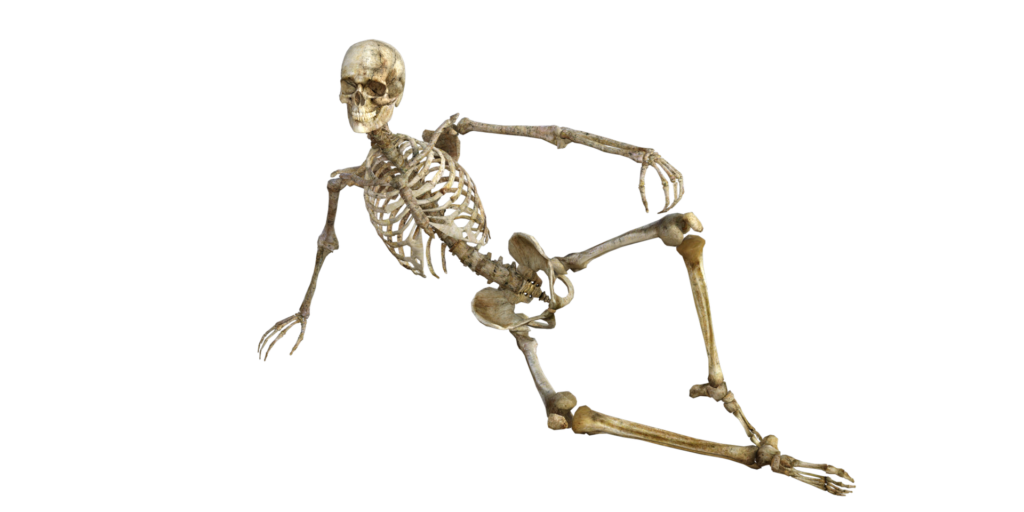
Image by Pete Linforth – Pixabay
Symbolically and physically, the bones are our structure and support and so, if something goes wrong with them, it can help to look at any possible emotional causes. When we do this, the location of the bones is important.
For example, if our foot, ankle, or leg bones are proving problematic, then we would do well to ask ourselves if we have sufficient support for moving forward in life. The hips hold the past as well as giving us confidence in our lives. If our arm bones are giving us trouble, then we could ask ourselves what we might be resisting in life. If it is the bones in our hands, then how are we handling or holding life’s experience? The flexibility of joints can be an indicator of our flexibility in life.
The types of music especially helpful for the skeletal system are jazz improvisation and impressionistic and impromptu classical music.
At the heart of jazz is rhythm rather than melody and its tendency towards improvisation – making it up as it is played – makes it particularly useful. Notes are played over a set harmonic pattern played by a bass instrument so everyone playing understands the basic formula, much as the bones provide the basic formula for the body. With the melody or decant, anything is possible as long as it conforms to that harmonic pattern. Because it is improvised, the recommendation is simply to listen to Traditional Jazz, which will never be the same twice.
Impressionism is more known by art than music. Artists such as Monet, Renoir and Van Gogh brought impressions rather than reality to life. Musically, however, similar attempts were made by composers such as Debussy and Ravel who created beautiful music full of feelings, perceptions and at times, a dream-like quality.
Examples are Debussy’s Claire de Lune, and Ragtime for Eleven Instruments, the latter of which can strengthen the body’s major bones; Gershwin’s Piano Concerto in F, which can stimulate forward movement; Stravinsky’s Ebony Concerto which can help to rebuild skeletal foundations; and Grieg’s Piano Concerto in A which can help with balance.

Image by Dulcey Lima – Unsplash
I hope this has helped to give you some idea of the ways in which music and sound can help heal our bones.
You can learn more about the healing qualities of music in Ted Andrews’ book Music Therapy for Non-Musicians, Dragonhawk Publishing, 1997.
If you would like to experience the healing qualities of music, three of my albums – Grace, Forgiveness and Compassion – are now online via Spotify, Amazon Music, YouTube, iTunes, and Deezer etc. The music is composed to be gentle and to relax, as well express the light of life. Enjoy!
Meanwhile, sending us all peace and health for October. Next month we will be looking at ways in which music can help the heart.
With love and blessings, Laurelle
